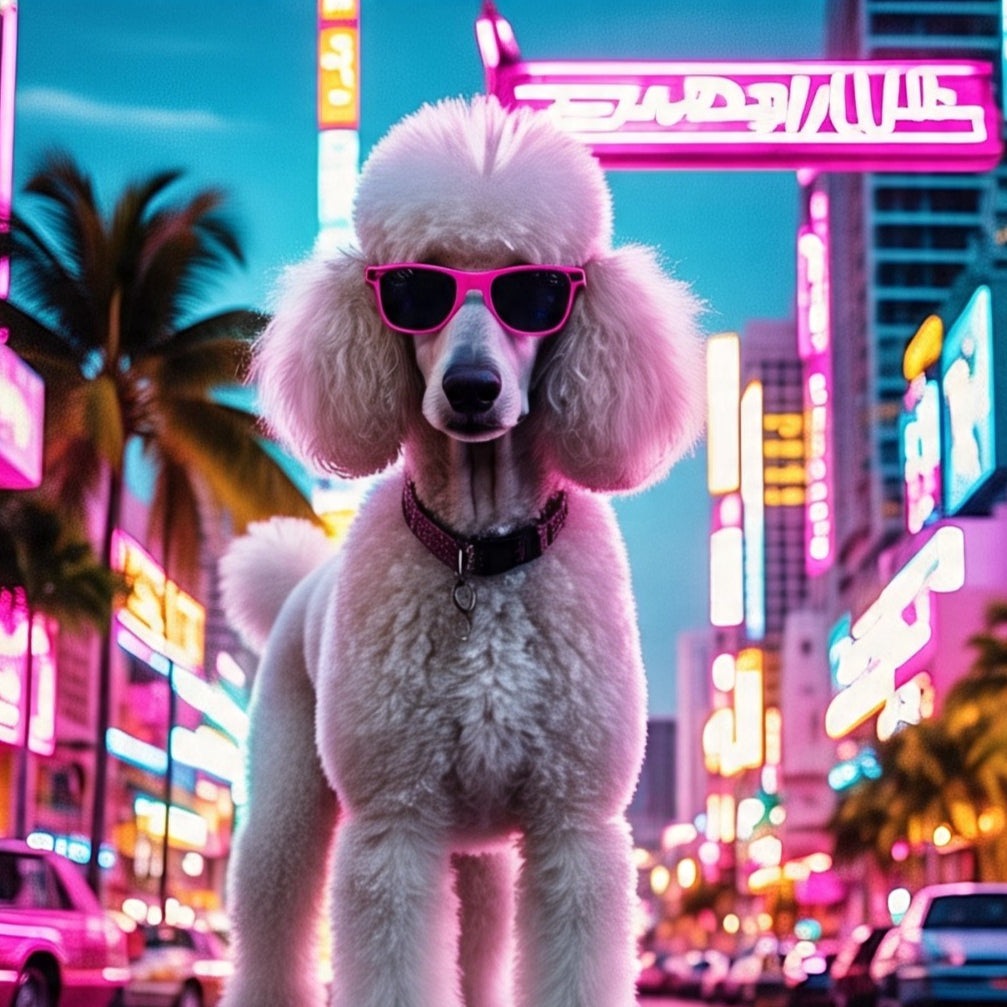
Ever wondered why your dog needs regular brushing, bathing, nail trims—and your horse needs routine hoof and coat care—while wolves, foxes, and wild horses seem perfectly fine without a single groomer or farrier?
It’s a great question with a surprisingly scientific answer.
Domestic animals aren’t built the same as their wild relatives. Differences in genetics, selective breeding, environment, activity levels, nutrition, and lifespan all change how their coats, skin, nails, and hooves grow and maintain themselves.
Let’s break it down.
1. How Domestication Changed Pet Coats
Wild animals evolve for survival, not looks. Their bodies are shaped by natural selection:
-
Efficient shedding cycles
-
Coats that withstand weather without matting
-
Tough skin and nails adapted for travel
-
Body structures built for endurance
Domestic dogs, cats, and horses, however, have been shaped by selective breeding, not nature. That breeding emphasized traits humans found appealing or useful:
-
Unnaturally long or dense coats
-
Curly or continuously growing hair
-
Thick feathering on horses
-
Flattened faces (brachycephaly) that require ear/skin fold cleaning
-
Conformation that affects gait and hoof wear
Many traits we love simply do not function naturally without help.
A Poodle’s curls, a Persian’s long undercoat, or a Gypsy Vanner’s feathers wouldn’t survive a wild environment—because they evolved through human choice, not natural selection.
Domestication increased beauty, companionship, and diversity—but reduced natural self-maintenance.
2. How Wild Animals Groom Themselves Naturally
Wild animals maintain themselves through instinct and environment:
Wild Canines & Felines
-
Nails wear down through constant movement and hunting
-
Seasonal shedding syncs with environmental temperatures
-
Rolling, rubbing, and brushing against foliage remove loose hair
-
Dirt, debris, and sun help regulate oils and skin health
Wild Horses
-
Travel 10–20+ miles daily on varied terrain → naturally trims hooves
-
Rolling in dirt/mud balances skin and aids shedding
-
Exposure to sun, rain, and wind maintains coat condition
-
Herd movement builds strong hoof structures
Their entire lifestyle is structured around survival—and that lifestyle is their grooming.
Domestic animals do not live this way.
3. Why Domestic Living Reduces Natural Coat and Hoof Maintenance
Our pets live cushy modern lives:
-
Soft bedding
-
Smooth floors
-
Climate-controlled homes
-
Limited daily mileage
-
Pastures/stalls instead of open ranges
This comfort changes their bodies:
-
Nails grow faster than they wear
-
Coats retain dead hair without natural abrasion
-
Hoof walls overgrow without miles of movement
-
Skin oils shift due to indoor environments
-
Limited exercise changes body composition and circulation
Comfort is wonderful—but it reduces natural grooming mechanisms.
4. Breeds That Require the Most Grooming
Many modern breeds would struggle to survive in the wild because their coat or hoof characteristics are artificial.
Dog Examples
-
Poodles, Bichons, Shih Tzus, Doodles: Hair grows continuously → must be cut
-
Double-coated breeds: Dense undercoats can impact, trap moisture, cause hotspots
-
Spaniels, Setters, Terriers: Furnishings and feathering tangle without brushing
Horse Examples
-
Gypsy Vanners, Friesians, Drafts: Thick feathering traps moisture and debris
-
Long-maned breeds: Tails and manes tangle easily
-
Genetic hoof variations: Some grow faster or unevenly due to conformation
These traits didn’t evolve for survival—they were designed for looks, performance, or tradition—so they depend on human care.
5. Nutrition & Environment Effects on Coat and Hoof Health
Wild diets are naturally balanced:
-
Wolves eat raw meat, organs, bone, hide → supports coat oils, muscle health, and dental wear
-
Wild horses graze fiber-rich forage for 16–18 hours a day → supports gut, teeth, and hoof growth
Domestic lifestyles differ significantly:
-
Commercial diets (good or bad) alter coat health
-
Treated water changes mineral exposure
-
Limited exercise affects circulation
-
Regular bathing changes skin microbiome
-
Less environmental exposure reduces natural abrasion
All of these factors mean domestic animals need more intentional maintenance.
6. Why Senior Pets Need Increased Grooming
Wild animals often don’t reach old age due to predators, disease, or harsh environments.
Our pets do—and longer life brings new grooming challenges:
-
Thicker or brittle nails
-
Slower shedding
-
Changes in coat texture
-
Reduced flexibility → harder for them to self-groom
-
Increased risk of matting
-
Hoof growth changes due to decreased circulation
-
More sensitive skin
Senior grooming and farrier care are crucial for comfort and mobility.
7. Grooming and Farrier Care Are Essential Health Practices
While grooming can be fun and stylish (we see you, Funky fans!), its primary purpose is health.
Regular Grooming Helps Prevent:
-
Skin infections
-
Matting and impacted undercoat
-
Hot spots
-
Ear infections
-
Odor and buildup
-
Restricted movement
-
Parasite issues
Regular Farrier Care Helps Prevent:
-
Cracks and chips
-
Thrush and infection
-
Hoof imbalance
-
Lameness and joint strain
-
Pain from overgrowth
-
Long-term structural damage
Healthy coats, skin, nails, and hooves are a foundation for an animal’s wellbeing.
So Why Do Domestic Animals Need Grooming?
Because they’re no longer wild.
Their bodies, lifestyles, genetics, and environments have changed dramatically.
We asked these animals to live with us—in our homes, barns, paddocks, couches, and families.
In return, they depend on us to care for:
✨ Their coat
✨ Their skin
✨ Their nails and hooves
✨ Their comfort
✨ Their long-term health
Grooming isn’t a luxury.
It’s responsible care—and a huge reason our beloved animals live longer, healthier, happier lives.
At The Funky Poodle, we’re proud to help keep your dogs—and yes, even your horses—feeling fabulous, functional, and fully supported.
Want healthier skin, stronger coats, and easier grooming?
Explore our professional-grade shampoos, conditioners, and grooming solutions—made to support the modern domestic pet from roots to paws.